Philippines’ 1986 EDSA People Power Revolution
Philippines’ 1986 EDSA People Power Revolution
Presented by
Last Updated
This tool is intermittently updated to integrate new information sent to the authors.
2 April 2026
Print Entry
Print culture
how to build a revolution
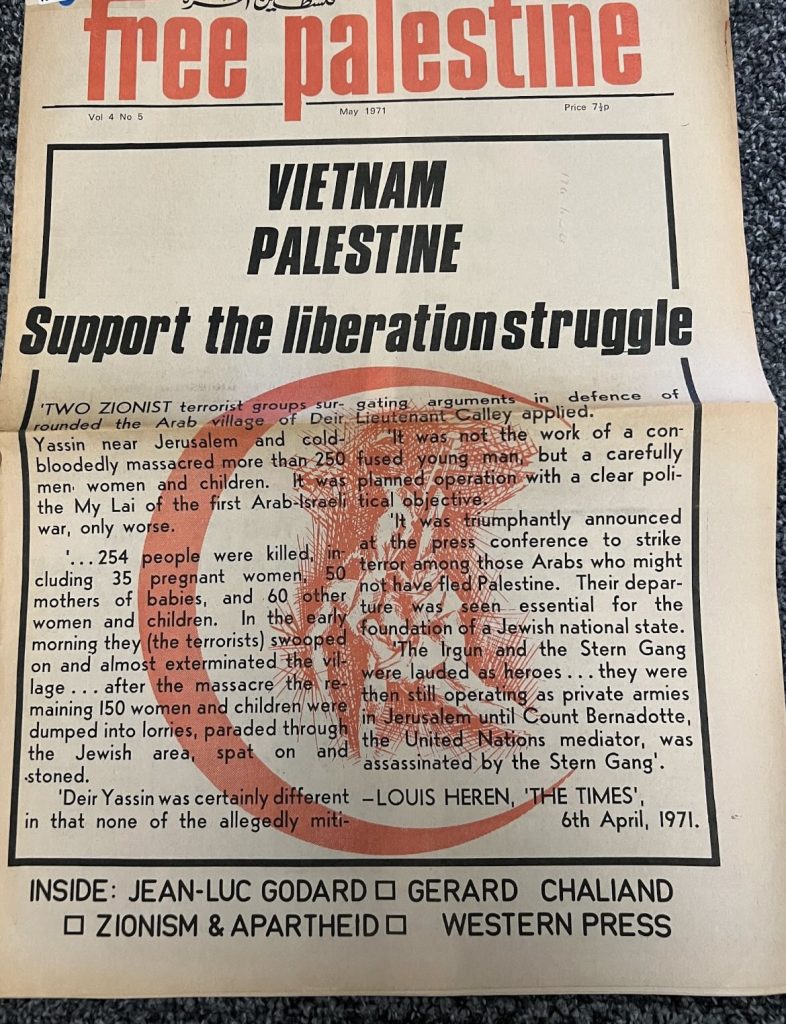
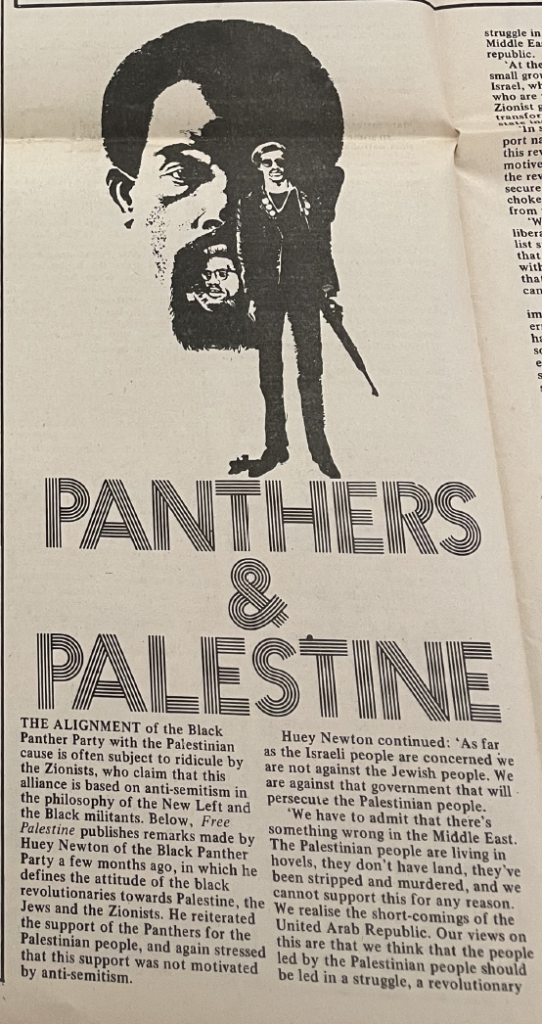
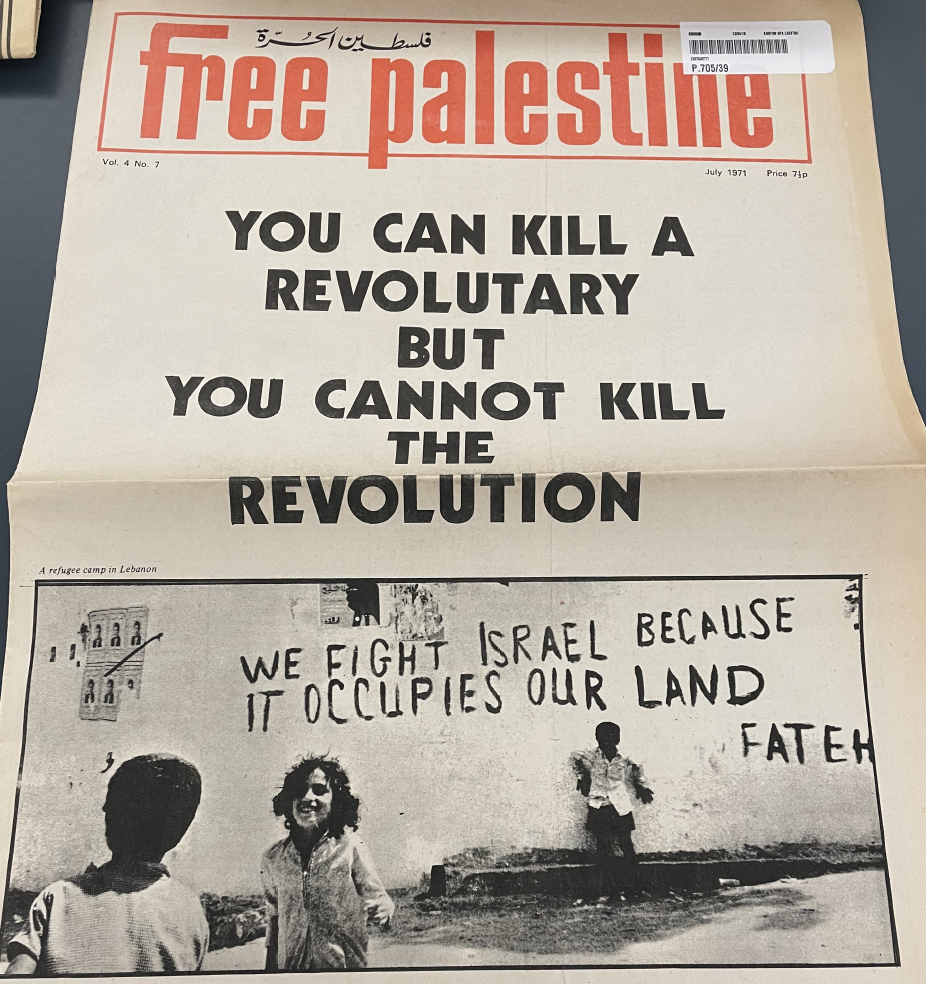
Print documentation as an important collective memory-practice for the Philippines’ 1986 EDSA People Power Revolution. Over the course of my research into martial law documents, I found some other really exciting material out of the States. These include a 1970s calendar advocating for the Filipino tenants rights in San Francisco’s International Hotel, which features beautiful pictures and poetry from the tenants, as well as BLU-Magazine, a multi-media audio and print journal especially invested in burgeoning hip hop culture and political prisoner Mumia Abu-Jamal, whose mixtape aesthetics are immediately interesting. 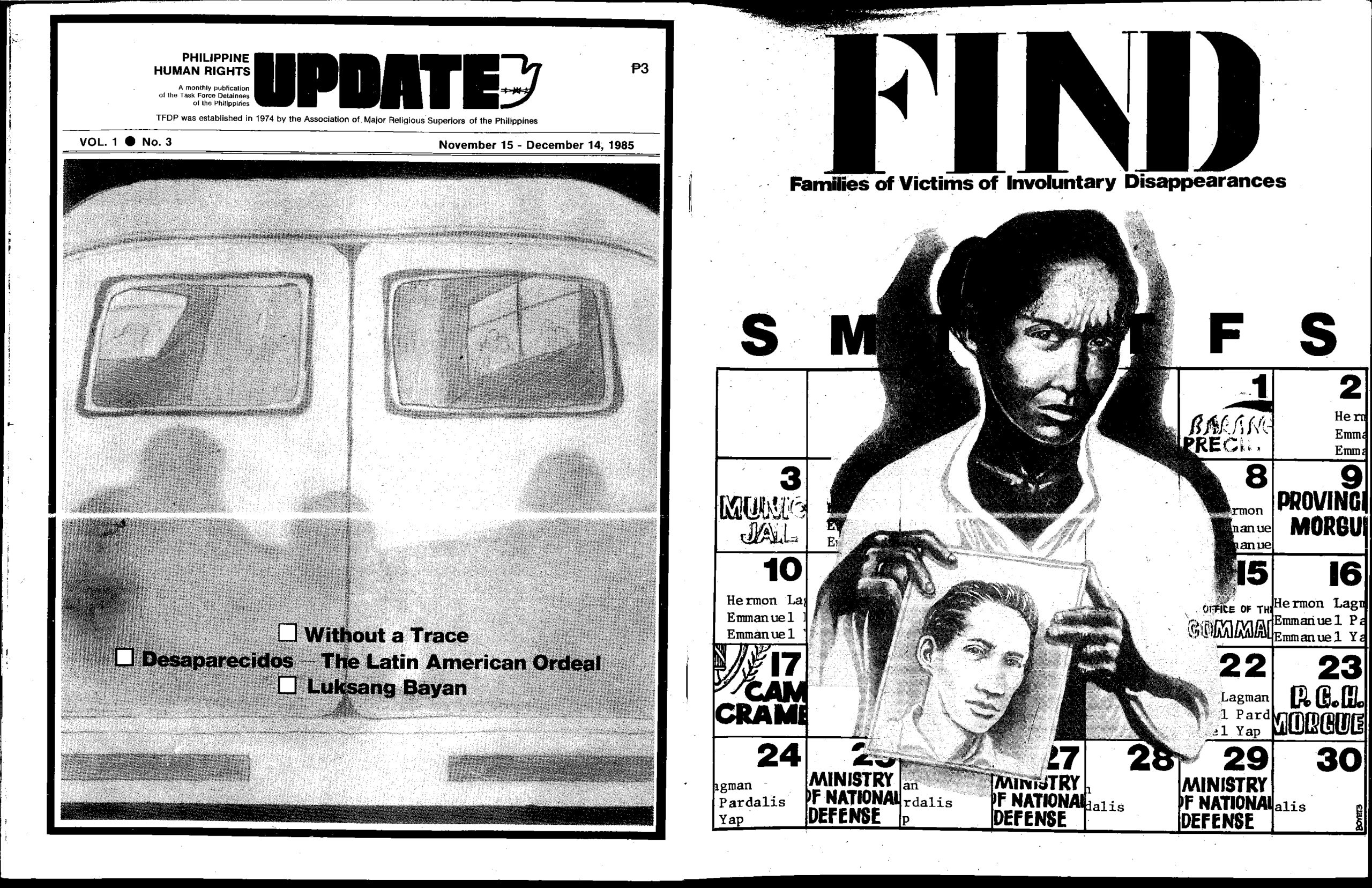
Trend of ‘Disappearances’: National and Regional
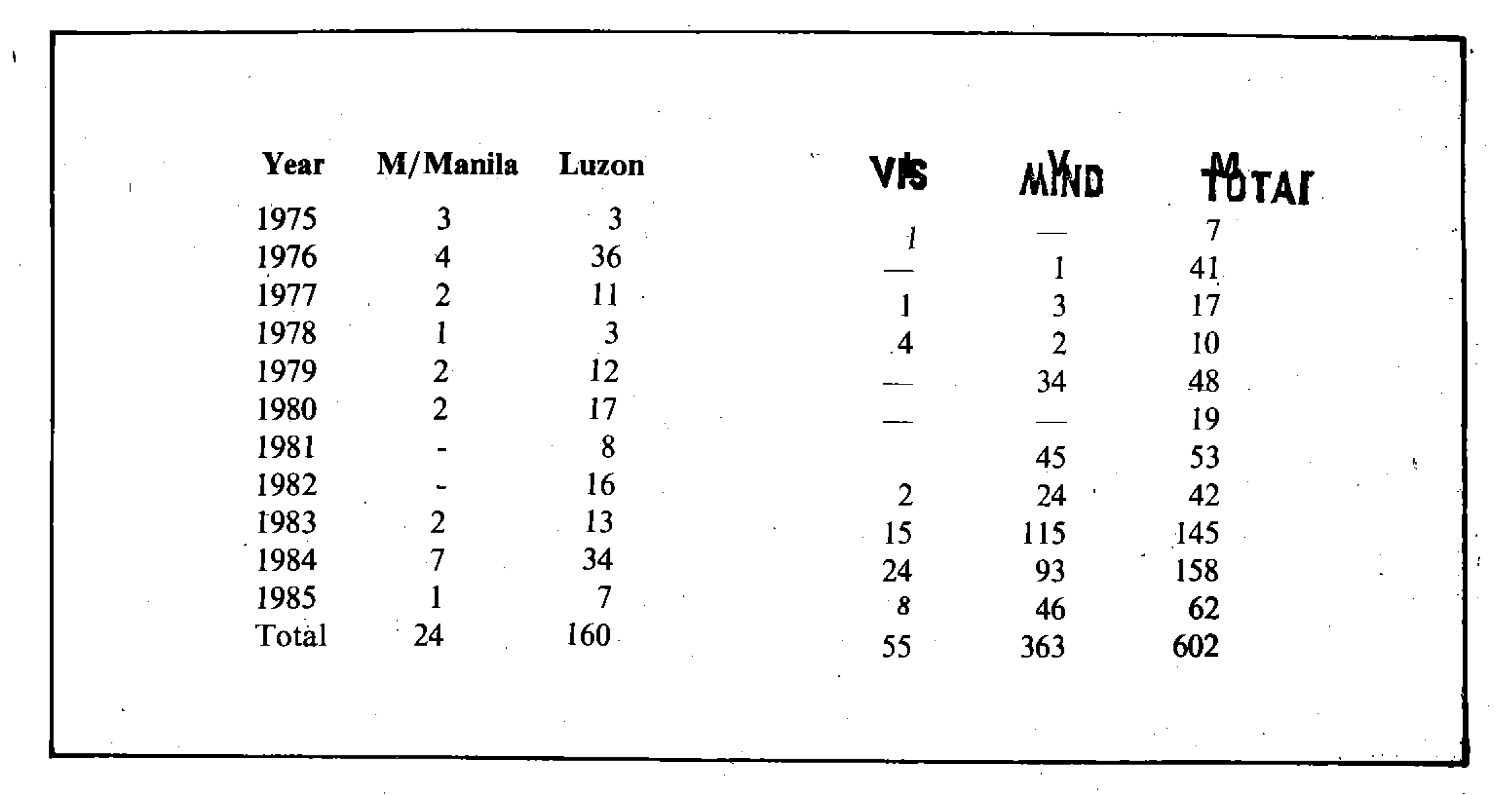 The national and regional data presented·in the table on the next page represent cases of the second and fourth types of ‘disappearances’ reported to the TFD P. The data are currently being checked and updated • by the different TFDP. The data are currently being checked and updated by the different TFDP regional offices and units located all over the country. Since the TFUP data are based on reported cases only, the statistics are, at best, conservative figures. However, these cases show that the phenomenon of ‘disappearances’ has become an established trend. The TFDP Report, January to June 1984 says: “It (the practice policy of ‘disappearances’) seems to reflect a systematic scheme of the government to seek. information on suspected subversives while the victim is incommunicado, or to eliminate political dissenters without going through the tedious process of effecting arrest and detention. Moreover, the absence of the victims’ bodies could provide a convenient shield against possible charges of culpability for such crimes.”