December 1960 Coup D’etat
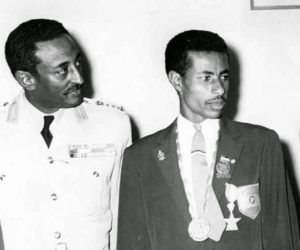
General Mengistu Neway (left) and 1960s Olympics marathon champion Abebe Bakila (right)
On December 1960, while Haile Selassie was on a state visit to Brazil, the commander of the Imperial bodyguard, Brigadier General Mengistu Neway, and his younger brother, Gärmame Neway, a progressive subprovincial governor serving in Wolaita (Southwestern Ethiopia), attempted a coup.
The Neway brothers, joined by Colonel Warqenah Gabayagu and General Tsege Dibu, took control of the imperial palace in Addis Ababa on Tuesday December 13th, and declared the emperor deposed. Shortly after, they announced their aims of establishing a more progressive government under Crown Prince Asfaw Wossen, Haile Selassie’s eldest son.1
A unit of the imperial army, distinct from the bodyguard, crushed the insurgency by Saturday, December 17th, and hung the Neway brothers in Haymanot Tekle, a city square shortly after.
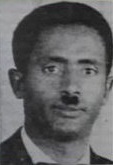
Gärmame Neway
Notably, Gärmame Neway served a short governorship in Woilata between 1958 and 1959, which may have informed the planning of the coup against Haile Selassie in 1960. During his governorship, Gärmame implemented radical reforms such as developing “infrastructures such as roads, bridges, and schools” in an effort to “transform power relations and land distributions,”2 a plan which caused his subsequent relocation to Jigjiga (South eastern Ethiopia) at the behest of local officials, landlords, and the imperial administration.
The birth of the ESM is attributed to this December 1960 coup due to university students extending their public support through subsequent demonstrations against the Neway brothers execution.3